

Bóng đá luôn mang tới những khoảnh khắc bùng nổ cảm xúc mà bất kỳ người hâm mộ nào cũng muốn được sống lại nhiều lần. Từ những pha solo ngoạn mục, cú dứt điểm cháy lưới cho đến các màn lội ngược dòng nghẹt thở, tất cả đều tạo nên sức hút đặc biệt của môn thể thao vua. Chính vì vậy, nhu cầu theo dõi highlight trận đấu ngày càng tăng mạnh, đặc biệt với những ai không có nhiều thời gian để xem trọn vẹn một cuộc đối đầu kéo dài hàng giờ. Trong vô số nền tảng hiện nay, Vaoroi đang trở thành điểm đến quen thuộc của cộng đồng yêu bóng đá nhờ khả năng cập nhật video nhanh chóng và chất lượng hình ảnh sắc nét.
Highlight bóng đá mang lại điều gì cho người xem?
Không phải ai cũng có đủ thời gian để theo dõi toàn bộ trận đấu từ đầu tới cuối. Cuộc sống bận rộn khiến nhiều người chỉ muốn nắm bắt những diễn biến quan trọng nhất. Đây chính là lý do highlight bóng đá trở nên phổ biến và giữ vai trò quan trọng trong thói quen giải trí của người hâm mộ.
Thông qua những đoạn video ngắn gọn, khán giả có thể nhanh chóng theo dõi toàn bộ diễn biến hấp dẫn của trận cầu chỉ trong vài phút. Những bàn thắng đẹp mắt, các tình huống tranh cãi, thẻ đỏ hay cơ hội nguy hiểm đều được tổng hợp đầy đủ. Điều này giúp người xem không bỏ lỡ các khoảnh khắc đáng nhớ dù không thể theo dõi trực tiếp.
Ngoài yếu tố tiết kiệm thời gian, highlight còn giúp người hâm mộ cập nhật thông tin nhanh chóng về phong độ đội bóng yêu thích. Đây là công cụ hữu ích để phân tích chiến thuật, đánh giá phong độ cầu thủ và nắm bắt xu hướng thi đấu của các giải đấu hàng đầu.
Sức hút của những pha bóng đỉnh cao

Mỗi trận cầu luôn chứa đựng vô số khoảnh khắc khiến người xem bùng nổ cảm xúc. Một cú sút xa hiểm hóc, pha đánh đầu ngược dòng hay màn phối hợp đẳng cấp đều có thể trở thành tâm điểm trên các video highlight.
Chính sự cô đọng và chọn lọc tinh túy đã khiến các đoạn tổng hợp trận đấu trở nên hấp dẫn hơn bao giờ hết. Người xem không cần chờ đợi quá lâu mà vẫn tận hưởng được toàn bộ tinh hoa của một cuộc đối đầu đỉnh cao.
Nhiều người còn xem highlight như cách giải trí quen thuộc sau giờ làm việc căng thẳng. Chỉ vài phút ngắn ngủi nhưng đủ mang lại cảm giác hồi hộp, kịch tính và phấn khích như đang sống trong bầu không khí sân vận động thực thụ.
Vì sao cộng đồng yêu bóng đá thích xem highlight?
Tiết kiệm thời gian hiệu quả
Một trận bóng thường kéo dài khá lâu nếu tính cả thời gian nghỉ giữa hiệp. Với lịch trình bận rộn, nhiều người lựa chọn xem video tổng hợp để cập nhật nhanh kết quả và diễn biến chính.
Không bỏ lỡ bàn thắng đẹp
Những siêu phẩm luôn là điều mà khán giả muốn thưởng thức nhiều lần. Highlight giúp lưu giữ các khoảnh khắc đỉnh cao để người xem có thể xem lại bất cứ lúc nào.
Dễ dàng chia sẻ với bạn bè
Các đoạn video ngắn thường dễ lan truyền trên mạng xã hội. Người hâm mộ có thể chia sẻ ngay những bàn thắng đẹp hoặc tình huống gây tranh cãi cho bạn bè cùng thảo luận.
Cập nhật nhiều giải đấu cùng lúc
Một đêm có thể diễn ra hàng chục trận đấu khác nhau. Highlight giúp khán giả theo dõi nhanh nhiều giải đấu mà không cần thức khuya xem toàn bộ.
Những giải đấu thường được săn đón highlight nhiều nhất
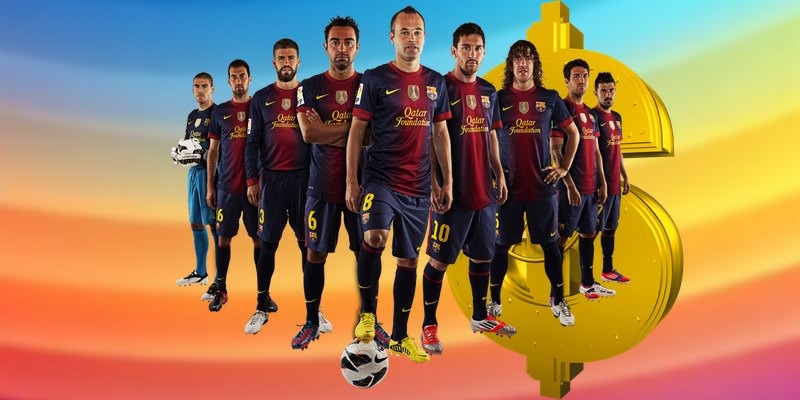
Các giải vô địch quốc gia hàng đầu châu Âu luôn thu hút lượng lớn người xem nhờ chất lượng chuyên môn cao. Ngoại hạng Anh với tốc độ chóng mặt, các trận cầu nảy lửa tại Tây Ban Nha hay những màn đấu trí ở Ý đều tạo nên sức hút khổng lồ.
Bên cạnh đó, các giải đấu cấp đội tuyển cũng luôn khiến người hâm mộ đứng ngồi không yên. Những trận derby căng thẳng, các cuộc đối đầu kinh điển hay những màn lội ngược dòng lịch sử thường nhanh chóng xuất hiện trên các nền tảng video bóng đá.
Không chỉ có các giải lớn, những trận cầu của bóng đá khu vực hay giải trẻ cũng được nhiều người tìm kiếm. Điều này cho thấy nhu cầu xem lại khoảnh khắc đáng nhớ ngày càng mở rộng và trở thành xu hướng giải trí phổ biến.
Chất lượng video ảnh hưởng thế nào tới trải nghiệm?
Một đoạn highlight hấp dẫn không chỉ nằm ở nội dung mà còn phụ thuộc rất lớn vào chất lượng hình ảnh. Video sắc nét giúp người xem cảm nhận rõ từng chuyển động, từng pha xử lý kỹ thuật của cầu thủ.
Âm thanh sống động cùng tốc độ tải nhanh cũng là yếu tố quan trọng tạo nên trải nghiệm hoàn hảo. Không ai muốn xem một video liên tục giật lag hoặc bị mờ nhòe ở những khoảnh khắc quan trọng.
Ngoài ra, việc cắt ghép hợp lý cũng góp phần tăng sức hút cho video. Những tình huống nổi bật được sắp xếp khoa học sẽ khiến người xem dễ theo dõi hơn và giữ được cảm xúc xuyên suốt.
Xu hướng xem bóng đá của thế hệ trẻ
Người trẻ hiện nay có xu hướng tiếp cận nội dung nhanh, ngắn gọn và giàu cảm xúc. Thay vì dành hàng giờ theo dõi một trận đấu, nhiều người chọn xem video tổng hợp để tiết kiệm thời gian.
Sự phát triển mạnh mẽ của mạng xã hội cũng góp phần thúc đẩy xu hướng này. Chỉ cần vài thao tác đơn giản, người dùng đã có thể tiếp cận vô số video bóng đá hấp dẫn trên điện thoại hoặc máy tính.
Đặc biệt, những pha xử lý kỹ thuật đẹp mắt thường được cắt riêng thành các clip ngắn để lan truyền mạnh mẽ. Điều này giúp bóng đá tiếp cận thêm nhiều đối tượng khán giả trẻ tuổi.
Vai trò của công nghệ trong việc cập nhật highlight
Sự phát triển của công nghệ giúp quá trình tổng hợp video diễn ra nhanh hơn rất nhiều. Chỉ ít phút sau khi trận đấu kết thúc, người hâm mộ đã có thể theo dõi đầy đủ những tình huống đáng chú ý.
Các nền tảng hiện đại còn ứng dụng trí tuệ nhân tạo để tự động nhận diện bàn thắng, pha cứu thua hay tình huống nguy hiểm. Nhờ vậy, video highlight được tạo ra nhanh chóng và chính xác hơn trước đây.
Ngoài ra, tốc độ internet ngày càng cải thiện cũng giúp người xem thưởng thức video mượt mà hơn trên nhiều thiết bị khác nhau.
Cảm xúc khó quên từ những khoảnh khắc bóng đá
Có những bàn thắng khiến cả sân vận động bùng nổ. Cũng có những pha cứu thua làm hàng triệu người thót tim. Tất cả tạo nên vẻ đẹp khó cưỡng của bóng đá.
Highlight không chỉ đơn thuần là đoạn video ngắn mà còn là nơi lưu giữ cảm xúc của người hâm mộ. Mỗi lần xem lại là một lần sống lại khoảnh khắc hồi hộp, sung sướng hoặc tiếc nuối.
Nhiều trận cầu dù đã khép lại từ lâu nhưng vẫn được người xem tìm kiếm liên tục nhờ những pha bóng quá đỗi kinh điển. Điều này cho thấy giá trị lâu dài mà các video tổng hợp mang lại.
Sự khác biệt giữa xem trực tiếp và xem highlight
Xem trực tiếp mang lại cảm giác hồi hộp theo từng phút bóng lăn. Người xem được trải nghiệm đầy đủ diễn biến và cảm xúc của trận đấu.
Trong khi đó, highlight lại phù hợp với những ai muốn cập nhật nhanh các tình huống quan trọng. Hai hình thức này không đối lập mà bổ sung cho nhau, đáp ứng nhiều nhu cầu khác nhau của người hâm mộ.
Hiện nay, nhiều người lựa chọn kết hợp cả hai. Họ xem trực tiếp các trận cầu lớn và dùng video tổng hợp để theo dõi thêm những cuộc đối đầu khác.
Nền tảng video bóng đá ngày càng phát triển
Sự cạnh tranh giữa các nền tảng bóng đá khiến chất lượng dịch vụ ngày càng được nâng cao. Người xem hiện có thể tiếp cận video tốc độ cao với hình ảnh sắc nét và giao diện thân thiện.
Bên cạnh việc cập nhật nhanh, nhiều nền tảng còn tích hợp thêm bình luận, thống kê và phân tích chiến thuật. Điều này giúp trải nghiệm xem bóng đá trở nên thú vị hơn rất nhiều.
Đặc biệt, nhu cầu tìm kiếm highlight bóng đá mới nhất đang tăng mạnh nhờ sự tiện lợi và khả năng cập nhật liên tục của các nền tảng trực tuyến hiện đại.
Tương lai của nội dung bóng đá trực tuyến
Trong thời gian tới, video bóng đá được dự đoán sẽ tiếp tục bùng nổ mạnh mẽ. Công nghệ thực tế ảo, hình ảnh đa góc quay và tốc độ truyền tải cao sẽ mang lại trải nghiệm chân thực hơn cho người xem.
Không chỉ dừng lại ở việc xem lại bàn thắng, khán giả còn có thể tương tác trực tiếp với nội dung thông qua bình chọn, phân tích và chia sẻ cảm xúc theo thời gian thực.
Bóng đá luôn là môn thể thao mang sức hút mãnh liệt trên toàn thế giới. Vì vậy, các nội dung liên quan tới highlight chắc chắn vẫn sẽ giữ vai trò quan trọng trong thói quen giải trí của người hâm mộ yêu trái bóng tròn.